 Stallion Dumpster Rental
Dumpster Weight Limit Omaha
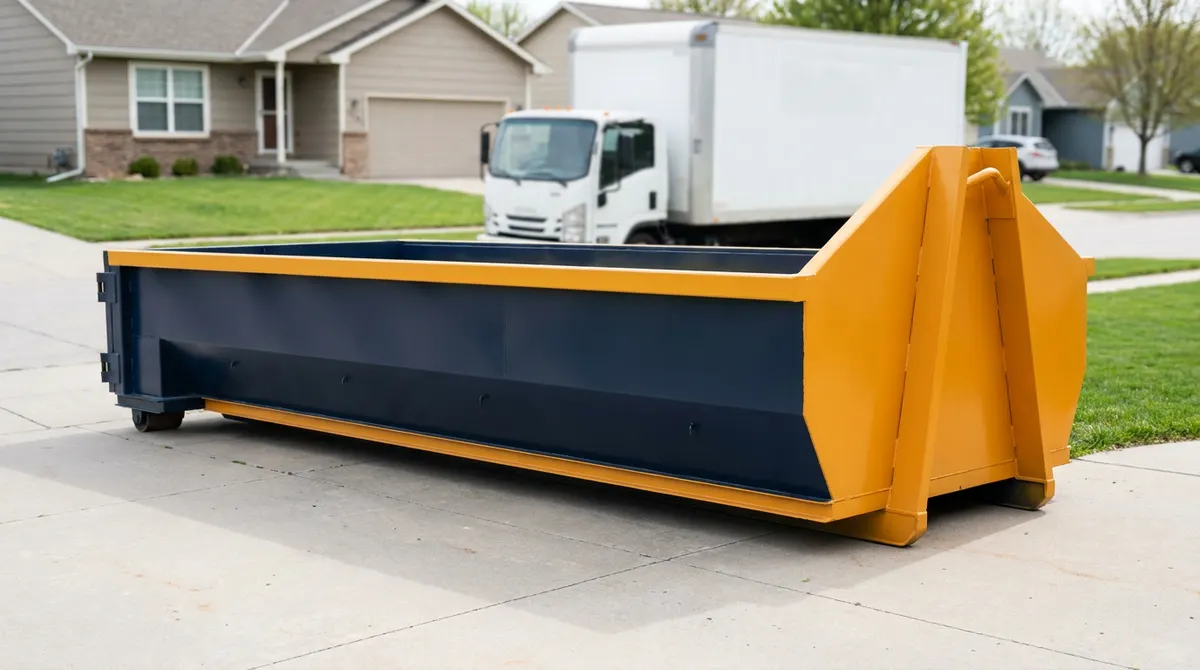
Dumpster weight limits in Omaha, NE, define the maximum allowable tonnage for debris within a rented roll-off container before additional overage charges apply, varying by dumpster size and material type.
Included Weight by Dumpster Size
Each dumpster size in Omaha comes with an included weight allowance, typically measured in tons (2,000 pounds per ton). This base allowance is built into the rental price, starting from a minimum charge of $595, covering standard debris types and disposal at local landfills. Understanding these limits helps prevent unexpected costs, especially for projects involving dense materials common in Omaha's older housing stock found in neighborhoods like Dundee and Field Club. The following table outlines typical weight allowances for common dumpster sizes:
| Dumpster Size | Approximate Dimensions (L x W x H) | Included Weight Limit | Equivalent Pickup Truck Loads |
|---|---|---|---|
| 10-Yard Dumpster | 12 ft x 8 ft x 3.5 ft | 1-2 Tons | ~4 loads |
| 15-Yard Dumpster | 14 ft x 8 ft x 4.5 ft | 2-3 Tons | ~6 loads |
| 20-Yard Dumpster | 22 ft x 8 ft x 4 ft | 3-4 Tons | ~8 loads |
| 30-Yard Dumpster | 22 ft x 8 ft x 6 ft | 4-5 Tons | ~12 loads |
| 40-Yard Dumpster | 22 ft x 8 ft x 8 ft | 5-6 Tons | ~16 loads |
How Overage Charges Work
Overage charges apply when the total weight of the debris in a rented dumpster exceeds its specified included weight limit. Upon pickup, the dumpster is transported to a certified landfill scale, such as those used by Waste Management or Papillion Sanitation in Douglas County, where the exact weight is recorded. If the weight surpasses the included tonnage, an overage fee is assessed for each additional ton. This fee is typically a per-ton rate, which can vary by provider and local disposal costs. For instance, a 20-yard dumpster with a 3-ton limit that weighs 4.5 tons would incur an overage charge for 1.5 tons. Transparent pricing ensures customers understand the base rental cost and any potential overage rates before delivery. For specific details on local landfill regulations and waste disposal guidelines, the Nebraska Department of Environment and Energy provides relevant information. It is important to note that the minimum charge for any rental is $595, which covers the base rental and included tonnage.
Estimating Your Load Weight
Accurately estimating the weight of debris helps avoid overage fees. Different materials have varying densities; for example, concrete weighs significantly more than general household junk. A simple method involves approximating the volume of material and multiplying it by an average density. For a single-room cleanout in a Benson bungalow, general household debris might average 200-300 pounds per cubic yard. A small bathroom remodel in Aksarben with plaster and lath from an older home could easily exceed 1 ton due to the density of these materials. For larger projects, consider the types of materials being loaded:
- Identify Material Types: Separate debris into categories like wood, drywall, concrete, metal, and general waste.
- Estimate Volume: Determine the approximate cubic yardage of each material type.
- Apply Density Factors: Use average density figures (e.g., concrete: ~150 lbs/cubic foot; shingles: ~200 lbs/square; mixed construction debris: ~300-500 lbs/cubic yard).
- Sum Totals: Add the estimated weights for all material types to get a total project weight.
For instance, a roof tear-off on a house near the University of Nebraska Omaha campus might generate 3 tons of shingles alone for a 2,000 sq ft roof. When loading a 30-yard dumpster for a larger renovation near Memorial Park, it is crucial to consider the cumulative weight of various materials. For guidance on safe waste handling practices, the Occupational Safety and Health Administration (OSHA) offers resources on construction and demolition debris disposal.
Heavy Materials That Hit Limits Fast
Certain materials are notably dense and can quickly consume a dumpster's weight allowance, even if they don't fill the container visually. Omaha's climate, with its freeze-thaw cycles and expansive clay soils across Douglas County, often necessitates projects that generate these heavy materials. Homeowners undertaking basement foundation repairs or driveway replacements in areas like Millard or Country Club should pay close attention to the weight of these items:
- Concrete: Poured concrete, asphalt, and bricks are extremely heavy. A small section of a driveway or patio can weigh several tons.
- Dirt and Soil: Excavated dirt, especially if wet, can quickly exceed weight limits.
- Roofing Shingles: Multiple layers of old shingles from a roof replacement project at a property near Florence can add significant weight.
- Plaster and Lath: Common in older Omaha homes in neighborhoods like Field Club and Morton Meadows, plaster and lath debris is denser than modern drywall.
- Rocks and Gravel: Landscaping projects involving large quantities of rocks or gravel contribute heavily to total weight.
- Tile and Ceramics: Bathroom or kitchen demolition often includes ceramic tiles, which are dense.
When disposing of these materials, it is often recommended to opt for a smaller dumpster specifically rated for heavy debris (like a 10-yard or 15-yard) to manage the weight more effectively and avoid overfilling a larger container that could then exceed its limit. For more information on proper disposal of specific materials, the U.S. Environmental Protection Agency (EPA) provides guidelines on various waste streams.
Need it handled now? See Dumpster Rental in Omaha.